
What is RCM?
Revenue Cycle Management (RCM) is a crucial process in healthcare that encompasses the entirety of management utilized to capture, process, and collect patient revenue. At its core, RCM integrates all administrative and clinical functions that are pivotal in ensuring that healthcare providers receive appropriate compensation for their services. It not only involves the collection of payments but also encompasses various foundational principles that guide the financial health of healthcare entities.

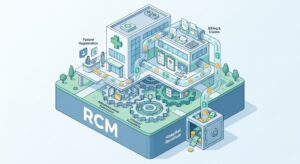
The RCM process begins with patient registration and intake, where necessary demographic and insurance information is gathered. This information is instrumental in establishing the patient’s financial responsibility. Following this initial step, RCM proceeds with claims submission, where healthcare providers submit billing claims to insurance companies, a critical phase that demands accuracy to facilitate timely payments. Denials and rejections can significantly impede cash flow; thus, a robust RCM system must also emphasize the importance of appeals processes for denied claims.

Moreover, RCM is not solely about billing; it extends to areas such as payment processing and accounts receivable management. Effective RCM strategies ensure that healthcare organizations actively monitor outstanding receivables, thereby enhancing cash collections and minimizing debts. Each component—registration, claim submission, denial management, and payment collections—represents an interconnected process designed to optimize revenue flow.

Technological advancements have further transformed RCM, facilitating more effective data analysis and reporting. By leveraging electronic health records (EHR) and practice management software, organizations can streamline operations, improve compliance with regulatory standards, and ultimately enhance patient satisfaction. Thus, RCM is not merely a back-office function; it is a comprehensive approach that reinforces the economic stability of healthcare institutions, ensuring they can continue to deliver essential services to the community.

The Core Meaning of RCM
Revenue Cycle Management (RCM) is a crucial process within healthcare organizations, encompassing the financial complexities of patient accounts. At its core, RCM is designed to manage the full lifecycle of patient revenue, from pre-registration and appointment scheduling through the final payment. This comprehensive approach enables healthcare providers to optimize their revenue streams and maintain financial stability.
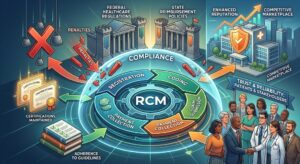
The strategic role of RCM becomes evident when one considers its impact on compliance with healthcare regulations and reimbursement policies. By facilitating adherence to guidelines established by federal and state entities, RCM helps organizations avoid penalties and maintain necessary certifications. Compliance is not merely about avoiding fines; it also fosters trust and reliability among patients and stakeholders, thereby enhancing the organization’s reputation in a competitive marketplace.
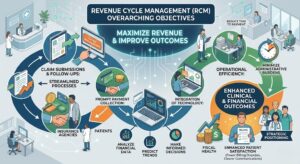
Furthermore, RCM’s overarching objective is to maximize revenue through the effective management of patient accounts. This involves streamlining processes such as claim submissions, follow-ups on denied claims, and ensuring prompt payment collection from insurance agencies and patients alike. The integration of technology in RCM has significantly enhanced these processes, allowing healthcare organizations to analyze financial data, predict trends, and make informed decisions that contribute to their fiscal health.
In addition, RCM promotes operational efficiency by minimizing administrative burdens and reducing the time between patient service delivery and payment receipt. This not only alleviates pressure on healthcare staff but also enhances patient satisfaction through fewer billing disputes and clearer financial communications. By understanding the core of RCM, healthcare organizations can strategically position themselves to improve both their clinical and financial outcomes.
Real-World Impact of RCM
Revenue Cycle Management (RCM) plays a pivotal role in healthcare organizations by optimizing financial performance and enhancing operational efficiencies. Numerous case studies highlight the tangible results achieved through effective RCM strategies. For instance, a prominent hospital system in Texas reported a remarkable 25% increase in its revenue collection rates after implementing a comprehensive RCM framework. This increase was attributed to the adoption of advanced analytics and technology-driven processes that improved claim submission accuracy and reduced billing issues.
Furthermore, healthcare organizations have also seen substantial decreases in claim denials due to the streamlined processes established through RCM. A clinical practice in Florida successfully reduced its claim denial rate from 15% to 3% within a year by employing a robust RCM system that included regular training for staff on billing and coding best practices. This not only amplified their revenue but also relieved administrative burdens, allowing them to focus more on patient care.
Additionally, the impact of RCM extends beyond financial performance; it significantly enhances patient experiences as well. Hospitals that have revamped their RCM processes report higher patient satisfaction scores, primarily due to improved billing transparency and efficiency. For example, a mid-sized hospital implemented an electronic patient portal allowing patients to view their bills and payment options. This initiative not only reduced confusion but also fostered a sense of trust and satisfaction among patients.
In conclusion, the real-world impact of RCM is evident in improved revenue collection rates, decreased claim denials, and enhanced patient experiences. These improvements underscore the importance of effective RCM strategies in driving financial health and operational success within healthcare institutions.
Benefits of Implementing RCM
Implementing Revenue Cycle Management (RCM) practices can provide several critical benefits to healthcare organizations. Among the most significant advantages is the improvement of cash flow. By optimizing billing processes and enhancing collections, hospitals and clinics can significantly reduce days in accounts receivable, thereby ensuring a more consistent and predictable cash inflow. According to industry reports, organizations utilizing RCM strategies have experienced cash flow improvements of up to 30%.

Enhanced compliance is another pivotal benefit of effective RCM. The healthcare landscape is fraught with regulatory challenges, and maintaining compliance with various guidelines is paramount. With advanced RCM systems in place, healthcare providers can automate compliance monitoring and documentation processes, reducing the risk of audits and financial penalties. Notably, implementing RCM solutions can reduce compliance-related issues by up to 40%, allowing organizations to focus on patient care rather than administrative burdens.
In addition to cash flow and compliance, better patient engagement represents a substantial advantage of RCM practices. When revenue cycles are streamlined, healthcare organizations can better communicate with patients regarding their billing and payment options. This proactive approach enhances patient satisfaction and encourages prompt payment, resulting in improved patient loyalty and retention. Data shows that organizations prioritizing patient engagement see an increase in payment rates by as much as 25%.
Finally, higher operational efficiency is a fundamental benefit that arises from implementing RCM. By automating routine tasks and improving data accuracy, healthcare organizations can optimize their operational processes. This efficiency not only lowers costs but also allows healthcare providers to allocate more resources towards patient care and service delivery. Experts suggest that integrating RCM processes leads to a reduction in administrative costs by up to 20%, thereby enabling better resource utilization.
RCM Strategies for Success
Organizations aiming to optimize their Revenue Cycle Management (RCM) processes can benefit significantly from the adoption of proven strategies. One of the critical approaches is the integration of technology and automation into everyday operations. By leveraging advanced software solutions, healthcare providers can streamline various aspects of the revenue cycle, from patient registration to billing and collections. Automation not only reduces manual errors but also accelerates the overall process, resulting in improved cash flow and decreased accounts receivable.
Another essential strategy involves comprehensive staff training. Employees are the backbone of any RCM process, and their understanding of best practices is vital. Regular training sessions that focus on the latest regulations, billing codes, and operational techniques can equip staff with the necessary skills and knowledge to enhance efficiency. Furthermore, creating a culture of accountability encourages staff to take ownership of their roles in the revenue cycle, leading to superior performance overall.
Implementing integrated systems is a strategy that can significantly elevate RCM performance. Organizations should consider utilizing systems that allow for seamless data exchange between departments, such as patient scheduling, clinical documentation, and financial management. These integrated approaches help to eliminate silos, reduce redundancies, and ensure that all stakeholders have access to real-time, accurate information. Ultimately, this holistic view of the revenue cycle enables quicker decision-making and enhances operational efficiency.
By focusing on these strategies—technology adoption, staff training, and integrated systems—healthcare organizations can create a robust framework for successful RCM. Such proactive measures can not only improve financial outcomes but also enhance the overall patient experience, ensuring that provider organizations remain competitive in a challenging environment.
Understanding the RCM Process
The Revenue Cycle Management (RCM) process is a comprehensive framework that healthcare organizations utilize to track patient care and billing from the initial appointment to the final payment. This systematic approach to managing financial transactions plays a critical role in enhancing operational efficiency and maintaining a stable revenue stream. Understanding the RCM process involves several key stages, each of which interlocks with the others to ensure an optimal financial outcome.
The first step in the RCM process is patient scheduling and registration. This phase includes obtaining essential information from patients, such as demographic details, insurance coverage, and medical history. Accurate data collection is crucial, as it lays the groundwork for subsequent billing processes. Any inaccuracies at this stage can lead to claim denials or payment delays.
Next, we move to medical coding, where healthcare providers assign specific codes to diagnoses, procedures, and services rendered. This coding is essential for billing purposes, as it translates healthcare services into billable items. Proper coding is pivotal to avoiding revenue loss due to incorrect claims or audits by insurance companies.
Following coding, the billing phase begins, involving the submission of claims to insurance providers and patients. This step encompasses thorough communication and follow-up to ensure that claims are processed promptly. Effectively managing this stage can significantly reduce the time it takes to collect payment.
Once claims are submitted, collections and accounts receivable management come into play. This stage requires constant monitoring of outstanding balances and collections processes. Efficient management of accounts receivable not only aids in maximizing revenue but also ensures that the healthcare provider’s cash flow remains positive. These interconnected components of the RCM process highlight the need for a cohesive approach to enhance financial efficiency in healthcare delivery.
A Comprehensive RCM Guide
Revenue Cycle Management (RCM) is an essential process for healthcare organizations, focusing on the administration of claims, payment, and revenue generation. Effectively implementing RCM can significantly improve the overall financial performance and operational efficiency of a healthcare facility. This guide offers essential resources and actionable insights tailored for organizations aiming to enhance their RCM practices.
To begin with, organizations must assess their current RCM status. Conducting a thorough evaluation involves reviewing existing processes to identify inefficiencies, bottlenecks, and areas that require more attention. Tools such as workflow analysis and performance dashboards can provide insights into the various stages of the revenue cycle, including patient registration, charge capture, claims submission, and collections.
Furthermore, it is crucial to engage stakeholders across departments. Collaborating with medical staff, billing departments, and administrative personnel can help in gaining a comprehensive perspective on RCM processes and uncovering challenges that may not be immediately visible. Comprehensive training programs that enhance the skill sets of staff involved in RCM are also vital, ensuring that they are well-equipped to handle evolving regulatory requirements and technological advancements.
Healthcare organizations should also explore technology solutions designed to streamline RCM. Electronic Health Records (EHR) systems, automated billing software, and predictive analytics tools can assist in improving efficiency, reducing errors, and optimizing cash flow. Leveraging such innovations will enable organizations to not only enhance their RCM practices but also provide better financial transparency.
Ultimately, organizations seeking to adopt or refine their RCM strategies should prioritize continuous evaluation and adaptation. Keeping abreast of industry best practices and regulatory changes will allow them to remain competitive while effectively managing financial performance. By embracing a strategic approach to RCM, healthcare facilities can foster sustainable growth and improved patient care outcomes.
Applications of RCM in Healthcare
Revenue Cycle Management (RCM) serves as an essential framework in the healthcare industry, influencing various settings, including outpatient services, hospitals, and specialty clinics. The tailored strategies of RCM address the intricacies and unique demands of these diverse healthcare environments, facilitating financial optimization and operational efficiency.
In outpatient services, RCM focuses on simplifying the billing processes for visits, ensuring that patients are correctly charged for services rendered. By implementing robust coding practices and maintaining accurate patient records, outpatient clinics can streamline essential revenue pathways. This not only enhances patient satisfaction through transparent billing but also accelerates the reimbursement process, enabling clinics to maintain operational viability.
For hospitals, RCM encompasses a comprehensive suite of processes—from patient admission through billing and follow-up. Hospitals often deal with complex cases requiring extensive documentation and coding accuracy. A well-implemented RCM strategy will involve real-time eligibility checks, claim management, and denial resolution, all aimed at minimizing the time between service delivery and payment collection. Using analytics in RCM can further allow hospitals to identify trends in claim denials and streamline administrative procedures, significantly impacting the bottom line.
Specialty clinics present their own challenges in RCM, particularly due to the specificity of services offered and the diverse payer mix. Here, focused tactics such as tailored coding workshops and continuous training in emerging regulations can empower staff to handle billing more effectively. In addition, using technology like Electronic Health Records (EHR) integrated with RCM solutions aids specialty clinics in maintaining accurate data, which decreases the risks of billing errors and enhances revenue collection.
Overall, the applicability of RCM in healthcare is broad and multifaceted, adaptable to the needs of different environments, ultimately leading to improved financial health for healthcare organizations.
Industry Impact of RCM
Revenue Cycle Management (RCM) has emerged as a vital component within the healthcare sector, profoundly influencing various aspects of the industry. As healthcare systems continue to evolve, RCM plays a central role in facilitating revenue growth, optimizing operational efficiency, and enhancing patient satisfaction. Effective management of medical billing, coding, and claims processing drives improved cash flow, allowing healthcare organizations to allocate more resources towards patient care and innovative practices.
One of the most significant impacts of RCM is its contribution to revenue growth. By streamlining the revenue cycle, healthcare providers can minimize billing errors and reduce the time taken to collect payments. This process leads to quicker reimbursements from insurers and less reliance on patients for unpaid bills, effectively increasing financial stability for healthcare facilities. In turn, enhanced revenue from RCM enables practices to invest in improved technology and workforce training, which can further elevate the quality of care delivered.
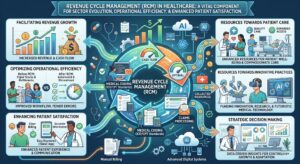
Moreover, RCM has an indirect but substantial impact on patient satisfaction. Transparent billing processes, clearer communication, and a reduction in unexpected charges help build trust between patients and providers. When patients feel their financial obligations are being managed efficiently, it creates a more positive experience. Patient engagement initiatives, such as telehealth services integrated with RCM systems, also enhance satisfaction by making healthcare more accessible and convenient.
The evolution of RCM is closely tied to advancements in technology, particularly with the integration of artificial intelligence (AI) and telemedicine. AI-driven analytics can identify inefficiencies and predict trends, allowing providers to make informed decisions swiftly. This intersection of RCM and technology positions healthcare organizations to adjust proactively to changes in market demand and regulatory requirements. The strategic benefits realized from this integration not only bolster financial performance but also ensure that patient care remains at the forefront of healthcare services.